


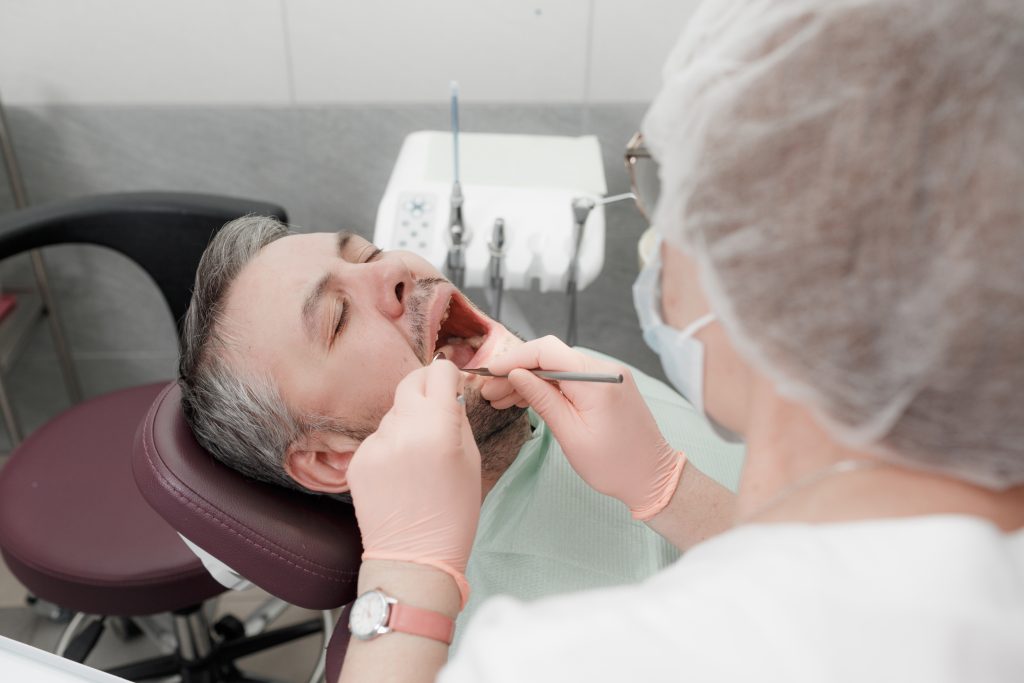
We are here for your care
Dental Extraction
Our clinic offers professional tooth extraction services in Castle Hill for damaged or problematic teeth.
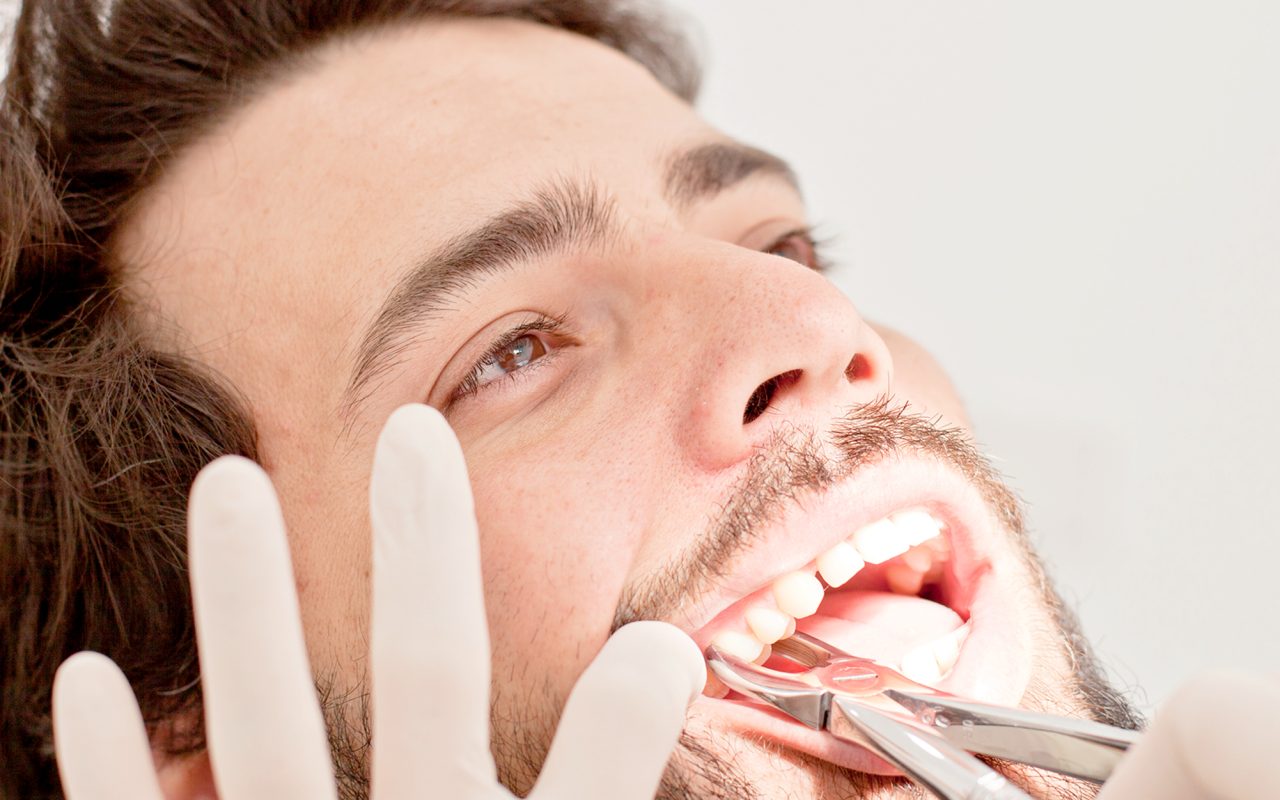
What Is Dental Extraction?
A dental extraction involves loosening a tooth—either visible (simple extraction) or impacted/broken below the gum line (surgical extraction)—and removing it from its jawbone socket. Local anaesthetic guarantees a pain‑free experience, while gentle techniques minimise trauma to surrounding tissues.
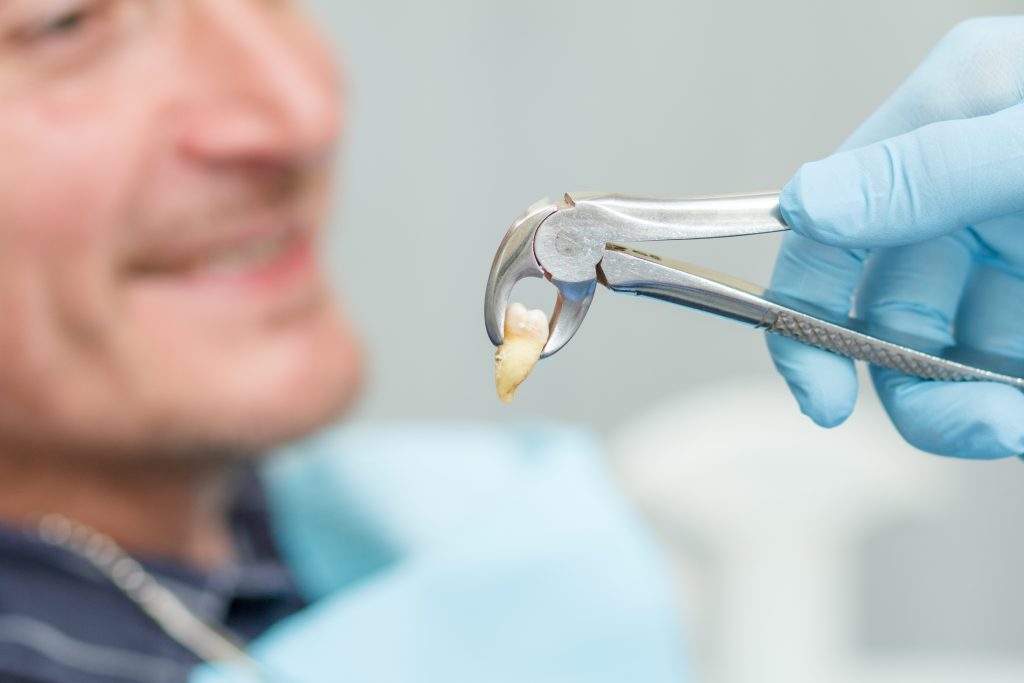
Reasons for Dental Extraction
- Advanced Decay or Fracture: When a tooth is too compromised for restoration.
- Orthodontic Preparation: Creating space to align overcrowded teeth.
- Persistent Infection: Unresponsive to root canal therapy, risking spread to bone.
- Impacted Teeth: Particularly wisdom teeth causing pain, infection or misalignment.
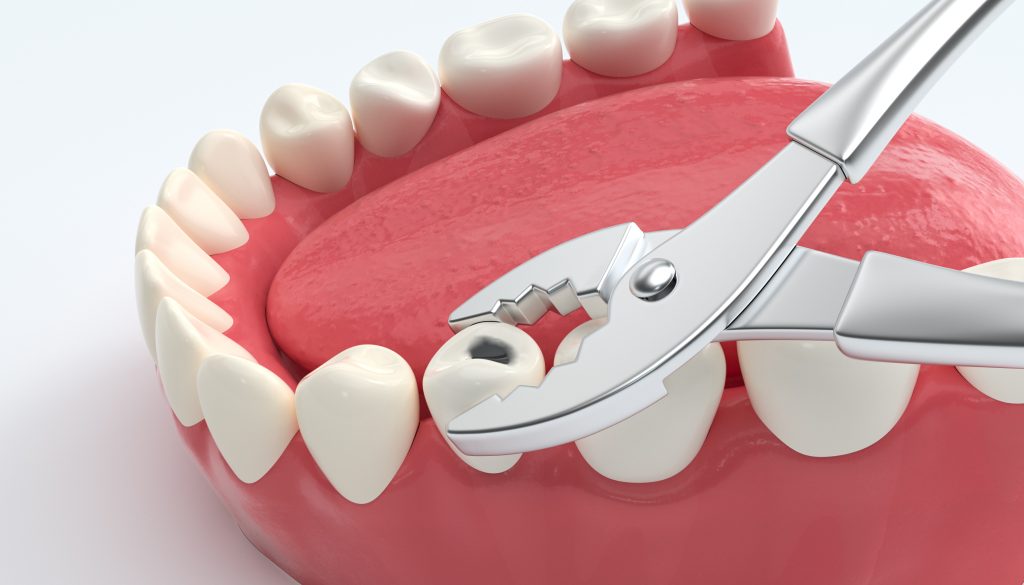
Who Requires Extraction?
- Have a tooth beyond repair from decay, fracture or failed endodontic treatment
- Are preparing for orthodontic intervention to correct crowding
- Suffer recurrent abscesses or gum infections around a specific tooth
- Experience pain or complications from impacted wisdom teeth
The Extraction Process
The Extraction process involves several stages, including
- Consultation & Imaging: Clinical examination and X‑rays to plan the approach.
- Anaesthesia & Removal: Administration of local anaesthetic, followed by tooth elevation and extraction.
- Site Management: Cleaning the socket, placing gauze for clot formation and, if needed, suturing.
Preparing for Dental Extraction
What to Expect Before, and After
To prepare for your dental extraction:
- Follow Dietary Guidelines: Avoid eating or drinking (except water) for several hours before the procedure if you’ll be receiving sedation.
- Medication and Health History: Inform us of any medications you are taking or health conditions you have, as these may affect your procedure.
- Managing Discomfort: Use prescribed or over-the-counter pain relievers as directed to manage any post-extraction discomfort.
- Dietary Recommendations: Stick to soft foods and avoid chewing on the extraction site to aid in healing.
- Oral Hygiene: Gently rinse with warm salt water to keep the area clean, but avoid brushing directly on the extraction site until it begins to heal.
- Avoid Smoking and Straws: These can disrupt the healing process and lead to complications such as dry socket.
We are a Preferred Provider For


We Accept All Health fund Providers


Will I need stitches afterwards?
Some extractions require dissolvable or removable sutures; we’ll advise you at the time of surgery.
How long does healing take?
Initial soft‑tissue healing occurs in 7–10 days, with complete bone fill taking several weeks.
Can I take painkillers?
Yes—over‑the‑counter analgesics (ibuprofen or paracetamol) are usually sufficient; we may prescribe stronger pain relief if necessary.
What complications should I watch for?
Contact us if you experience severe pain after 48 hours, excessive bleeding or signs of infection (fever, swelling).
When can I eat normally again?
You may return to a soft diet immediately, advancing to normal foods as comfort allows—usually within a week.
Meet Our Dentists


