


We are here for your care
Periodontal Treatment
Professional care to manage and treat gingivitis and periodontitis.
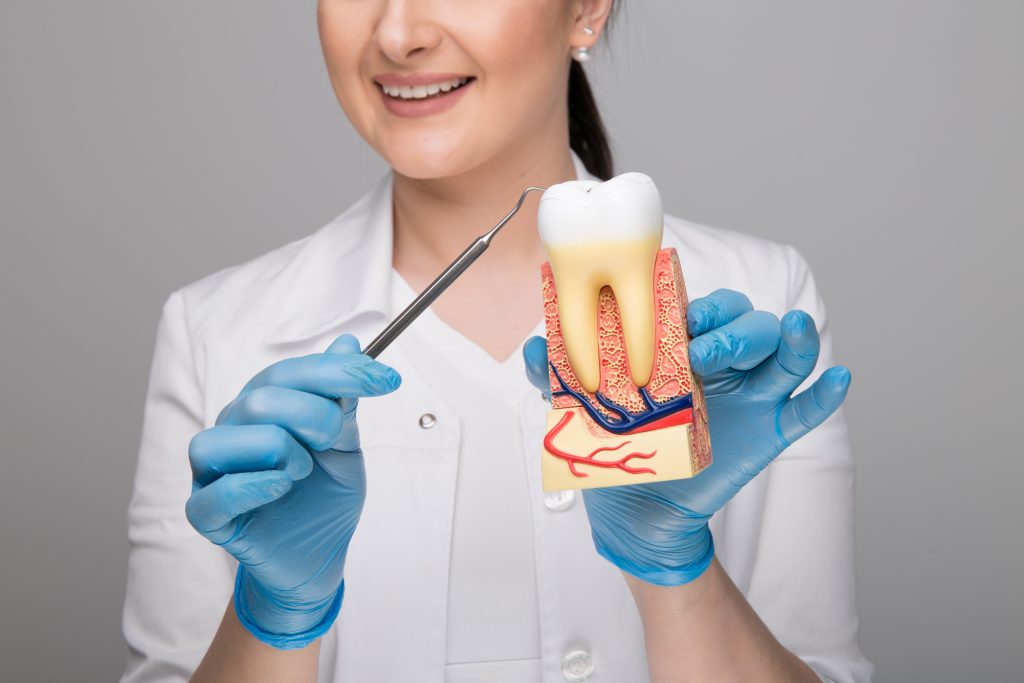
What Is Periodontal Disease?
Periodontal disease (gum disease) begins as gingivitis—a reversible inflammation of the gums caused by plaque accumulation. If unchecked, it progresses to periodontitis, in which the gums pull away from the teeth, forming deep pockets that harbour bacteria and destroy bone.

Benefits of Periodontal treatment
- Prevents Tooth Loss: Early intervention stops disease progression and secures tooth stability.
- Reduces Inflammation: Eliminates infection, alleviating discomfort and bleeding.
- Supports General Health: Gum health is linked to overall wellbeing, reducing risks of systemic conditions.
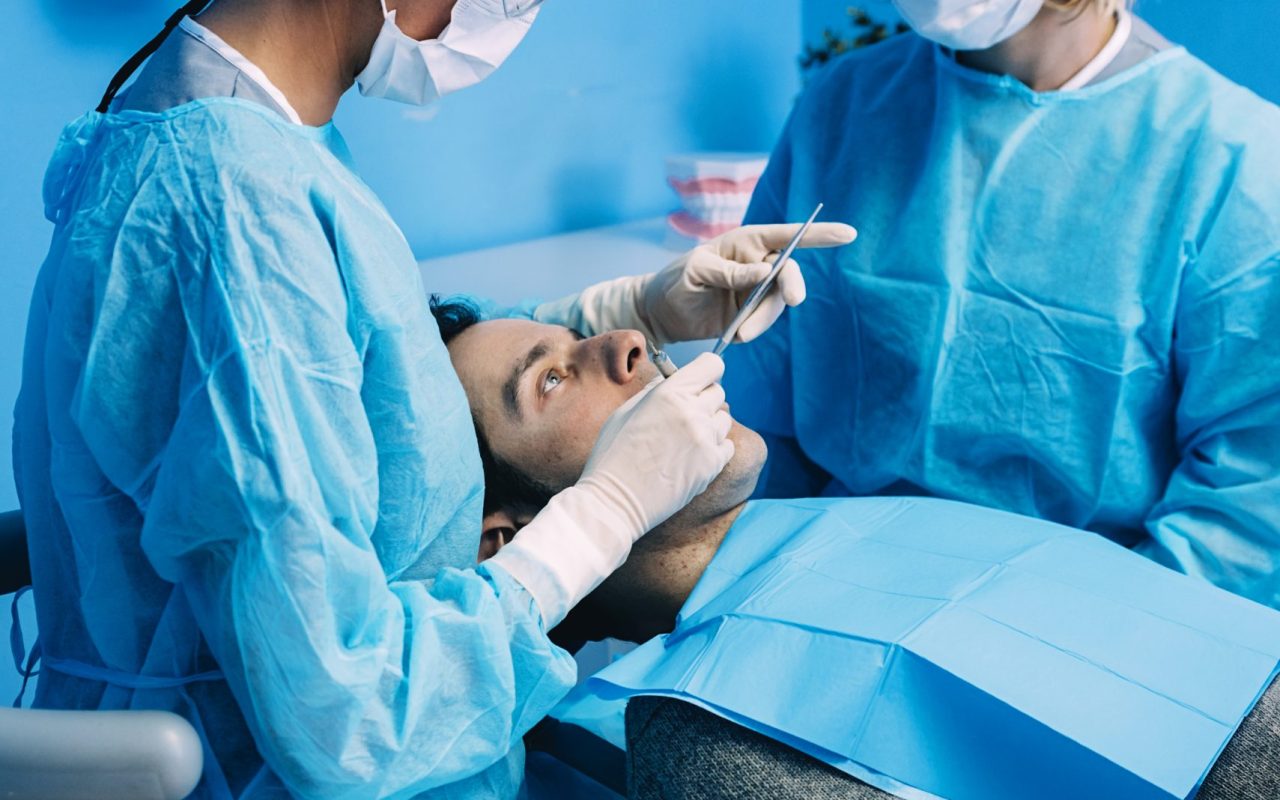
Periodontal Treatment Process
- Assessment & Diagnosis: Comprehensive examination, including periodontal charting and X‑rays.
- Initial Therapy: Scaling and root planing to clear bacterial deposits.
- Adjunctive Care: Antibiotics or surgical procedures as needed to fully restore gum health.
- Maintenance: Customised recall intervals—usually every three months—to monitor and maintain results.
Types of Periodontal Treatment
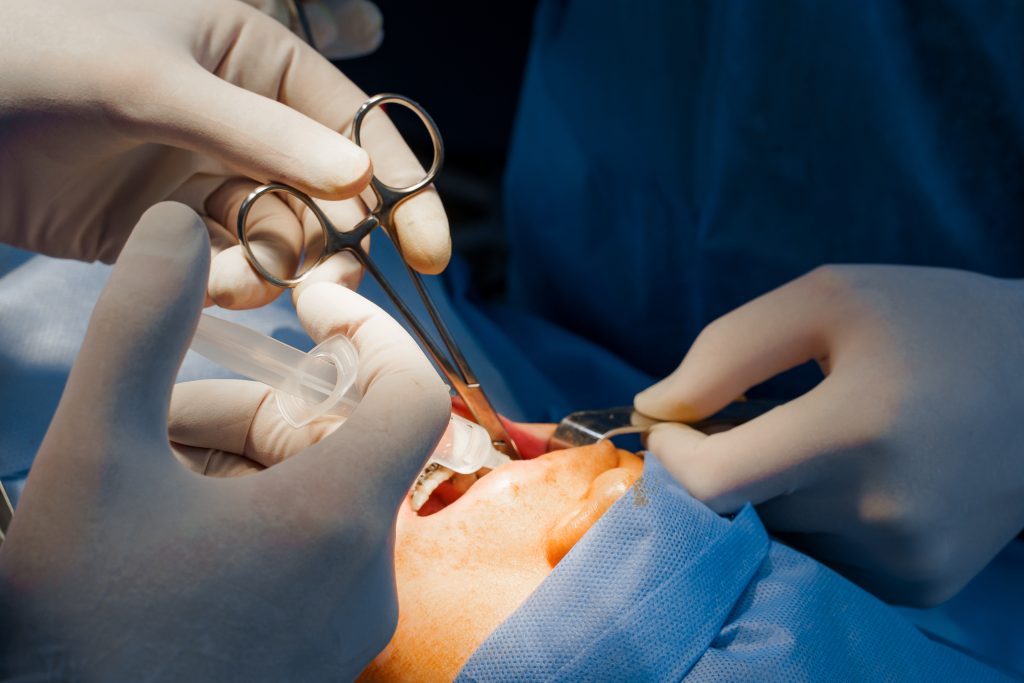
There are three types of Periodontal Treatment, including:

We are a Preferred Provider For


We Accept All Health fund Providers

Long-Term Care and Maintenance
Special considerations apply for smokers and patients with gum disease.

Does treatment require an anaesthetic?
We use local anaesthetic to ensure you feel no discomfort; most patients are relaxed and pain‑free during procedures.
How many appointments will I need?
Typically two to four visits for initial therapy, depending on disease severity, followed by regular maintenance visits.
Will I need surgery?
Only if non‑surgical approaches cannot achieve healthy pocket depths; many patients respond well to deep cleaning alone.
Can I continue to work afterwards?
Yes—most patients return to normal activities immediately, with only mild gum tenderness managed by over‑the‑counter analgesics.
How can I prevent recurrence?
Excellent daily oral hygiene, regular professional cleanings and lifestyle measures (e.g. smoking cessation) are key.
Meet Our Dentists


