


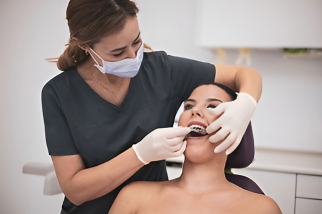
We are here for your care
Bruxism Treatment in Castle Hill
We offer diagnosis and treatment for bruxism to prevent enamel wear and jaw pain caused by grinding.
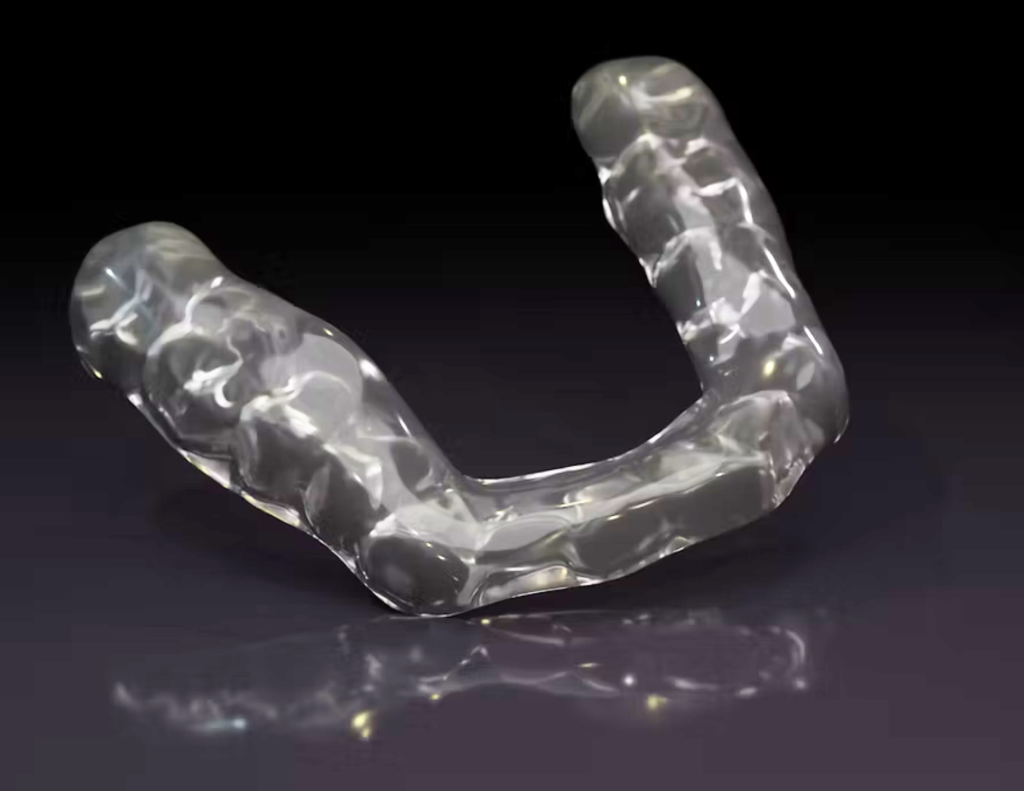
What Is an Occlusal Splint?
An occlusal splint is a bespoke, medical‑grade mouthguard worn over the dental arches—typically at night—to redistribute bite forces, prevent direct tooth contact and relieve muscular tension.
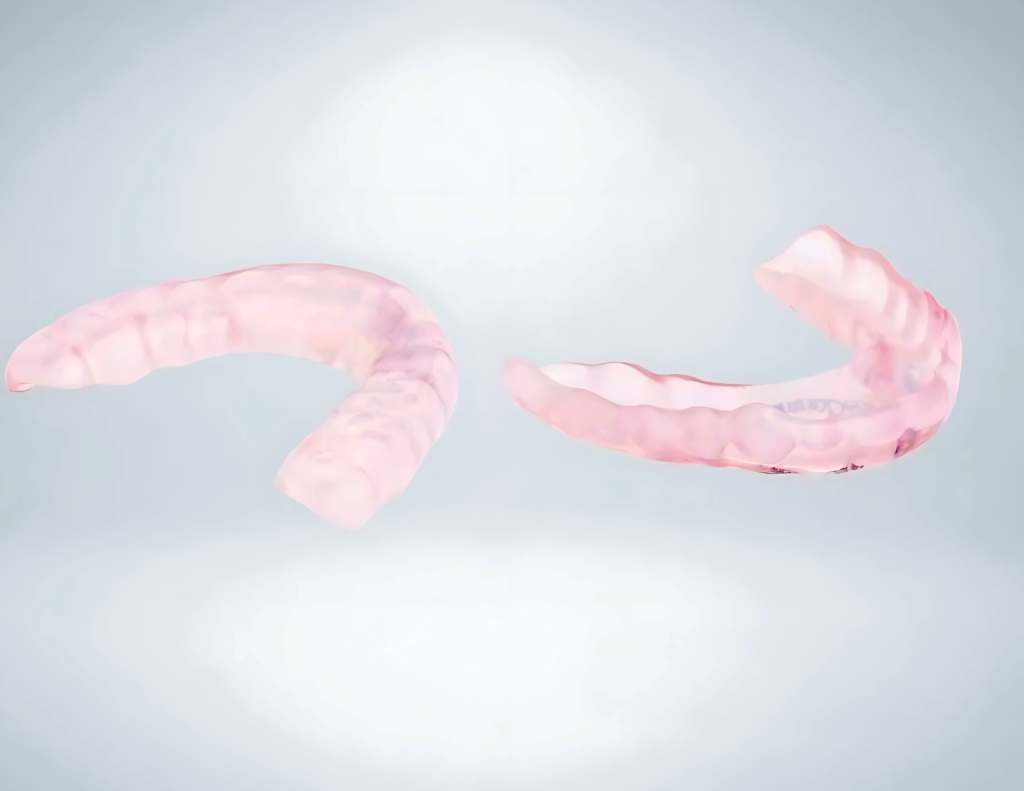
Benefits of an Occlusal Splint
- Tooth Protection: Shields enamel from the damaging effects of grinding.
- Muscle Relaxation: Reduces hyperactivity in jaw muscles, alleviating headaches and neck pain.
- TMJ Support: Maintains joint alignment, minimising clicking, locking or discomfort.
- Better Rest: Limits nocturnal arousal, promoting deeper, more restorative sleep.
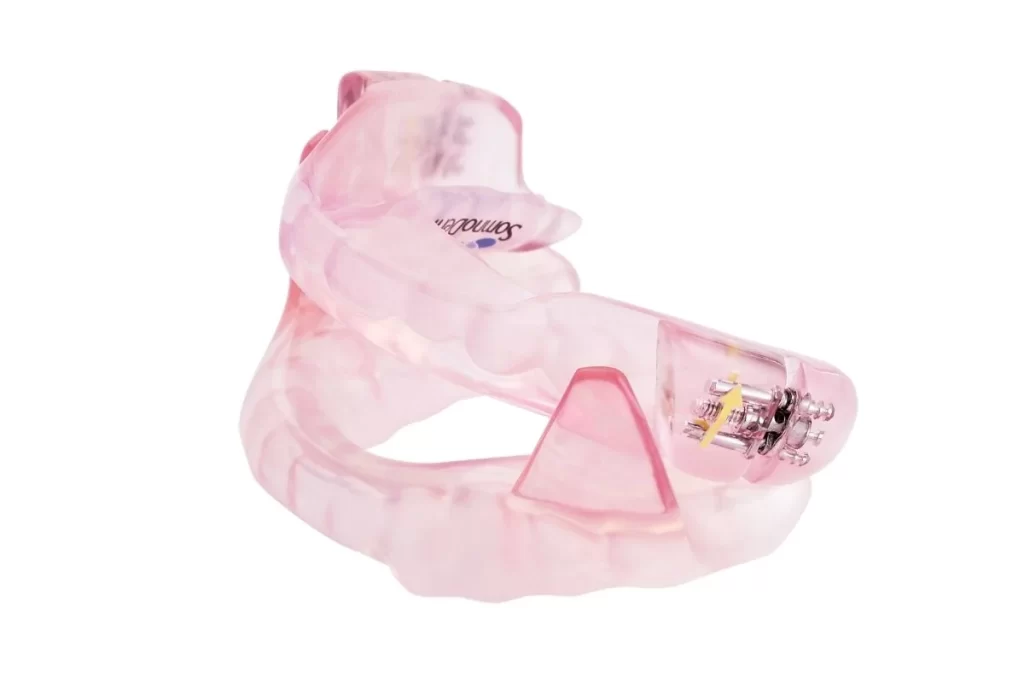
Who Should Consider a Splint?
- Suffer morning jaw soreness, headaches or ear pain
- Display worn, flattened or chipped tooth surfaces
- Have a diagnosed temporomandibular joint disorder
- Experience stress‑related clenching, especially during sleep
The Splint Fabrication Process
The process involves several stages, including
- Assessment & Bite Analysis: Clinical examination and, if needed, jaw‑tracking measurements.
- Impression & Design: Precise moulds of your teeth guide the creation of a tailored acrylic splint.
- Fitting & Adjustment: Splint insertion with minor refinements to ensure comfort and correct bite relationships.
- Review & Monitoring: Regular follow‑up to monitor wear and adjust the splint as your dentition changes.
Preparing for Occlusal Splint
What to Expect Before and After
Before getting an occlusal splint:
- Share Medical History: Let us know if you have any TMJ issues or related health conditions that may affect treatment.
- Discuss Symptoms: Describe any specific issues, such as jaw pain or tooth sensitivity, to help customize your treatment.
To care for your occlusal splint:
- Daily Cleaning: Rinse and brush your splint daily with a soft toothbrush and mild soap to prevent bacteria buildup.
- Store Properly: Keep the splint in a protective case when not in use, away from extreme temperatures.
Regular Check-Ups: Bring your splint to regular dental visits for evaluation and adjustment as needed.
We are a Preferred Provider For


We Accept All Health fund Providers


How long will it take to get used to the splint?
Most patients adapt within 2–3 nights, with initial awareness diminishing quickly.
Can I clean the splint myself?
Yes—use a soft toothbrush and non‑abrasive toothpaste daily; occasional soaking in a denture cleaner is beneficial.
Will the splint stop my teeth grinding entirely?
It protects your teeth but may not eliminate the grinding habit; addressing stress and sleep hygiene also helps.
How often must I replace the splint?
Depending on wear, splints generally last 2–5 years before requiring replacement or remodelling.
Can I wear the splint during the day?
It may be used during high‑stress periods or daytime clenching, but nightly use is primary.
Meet Our Dentists


